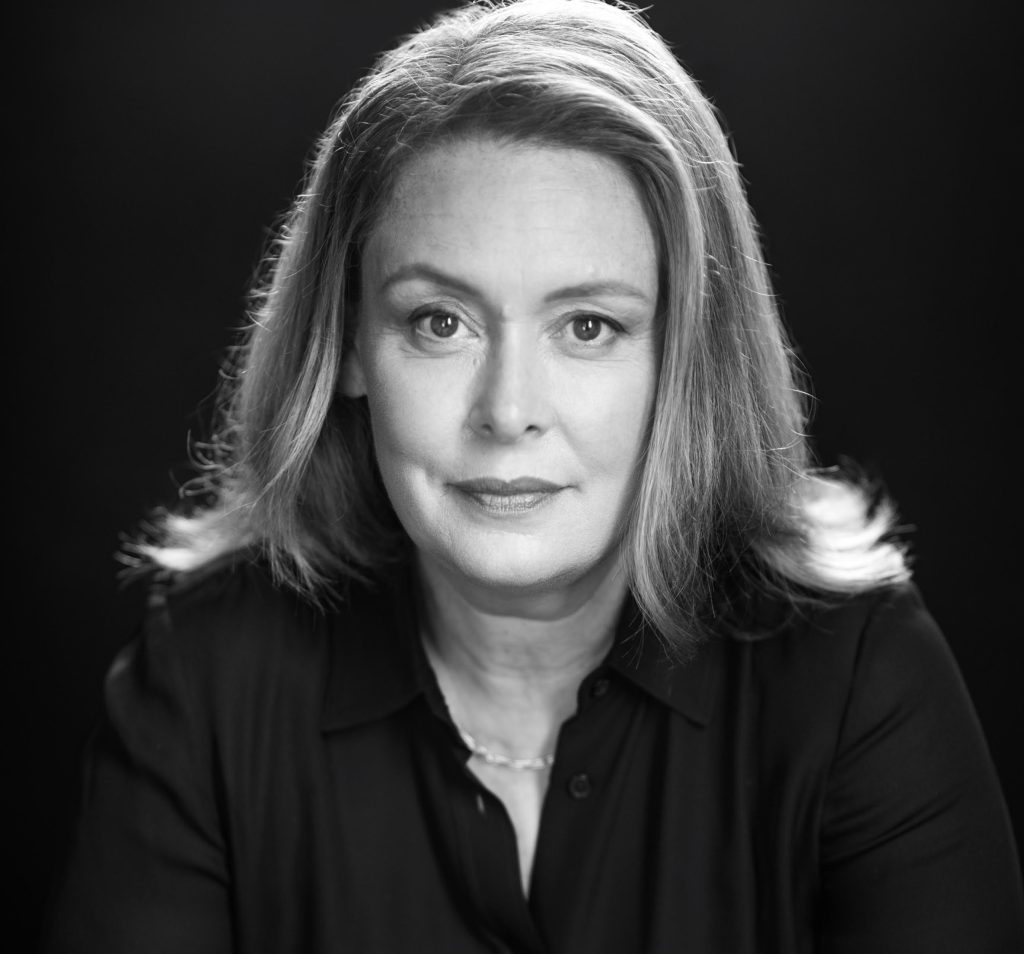
Amy Crutchfield on her new poetry book Asterion
Amy Crutchfield reflects on Asterion (November 2026), her first collection since winning the Prime Minister’s Literary Award for Poetry with The Cyprian. The book’s title derives from the lesser-known name of the Minotaur, a hybrid figure from Greek mythology both human and monstrous, which roughly translates into ‘the starry one’.
‘And the queen gave birth to a child who was called Asterion.’
Apollodorus: Bibliothecha, III, I
‘The House of Asterion’, Borges’ short story about the Minotaur, begins with this quote from the Greek scholar Apollodorus. At less than two pages, the story’s brevity belies its breadth and its potency. For it, and the myth from which it springs, speak of inclusion and exclusion; brutality and humanity; the pure and the impure; suffering and redemption; love and lust; and life and death. The story also makes a fundamental point about the power of names. A number of similar ideas underlie poems in this collection.
Half-man, half-bull, the Minotaur’s terrible reputation was something I had known about for as long as I could remember, but not his name – Asterion – which is luminous and hopeful. Was this because his birth name had been regularly elided from a tradition busy establishing the Minotaur as a figure universally reviled?
The power of naming is central to Borges’ story. He isn’t alone in centring the act of naming. In his Epilogue, while also praying for ‘the grace of accuracy’, Robert Lowell warns us ‘to give / each figure in the photograph / its living name’.
The grace of accuracy is a desirable aim in itself, but to strive for such accuracy is also actively to avoid the harms of inaccuracy, which could encompass anything from confusion and misnomer through to injurious silences and deceit. This collection is interested in ‘living name[s]’ and, more generally, the words we choose and the consequences of our choices.
Pairs, poles, opposites, couples, crossings, lovers, hybridity – the book is replete with twos. Oppositions provide an inherent tension, but they also give rise to the fertile ground of paradox, and to the idea of the pharmakon: poison and remedy in one. Is love the ultimate pharmakon?
The poems stem from a curiosity about human interaction: about how we treat each other, in private and in public; about the the ways we hurt, and sometimes endeavour to heal, each other and ourselves; and about what we glean in the process.
Borges’ story casts doubt on Asterion’s dangerous reputation. Several poems in this collection also seek to unsettle our image of him. Whatever Asterion’s culpability, he is one who is utterly excluded, and the result, in Borges’ telling, is that when confronted with Theseus’ lethal blade, this fearsome creature, ‘scarcely defended himself’.